.jpg)

.jpg)



Find a product
that
fits your needs
firefly
Innovative all-in-one liquid handling brings together multiple technologies within a single compact design for more efficient NGS library preparation.
Explore firefly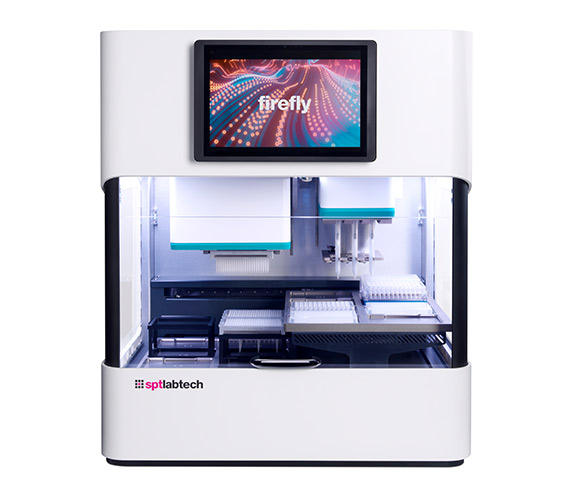
dragonfly
Multi-channel non-contact dispensing from positive displacement syringes. The dragonfly product range delivers accurate and repeatable nanoliter to milliliter dispensing, every time, irrespective of liquid viscosity or environmental conditions.
Explore dragonfly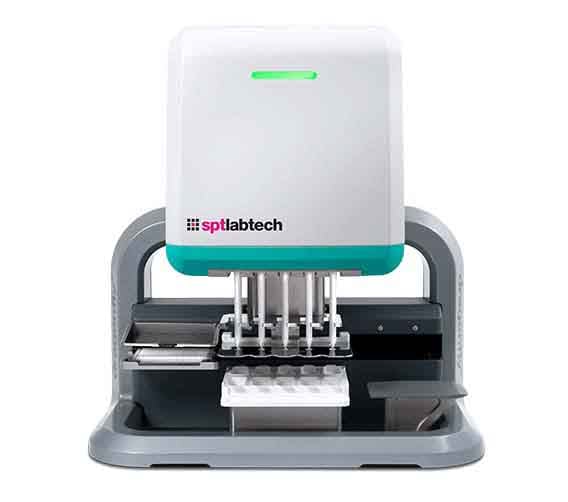
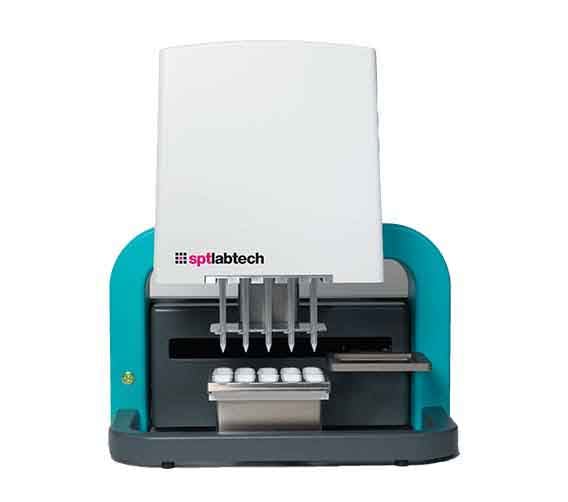
mosquito
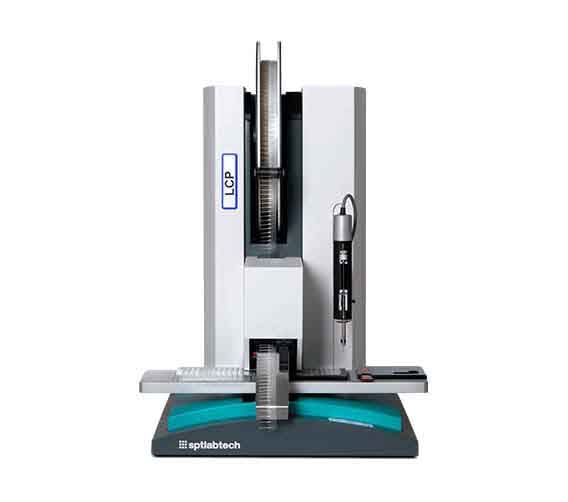
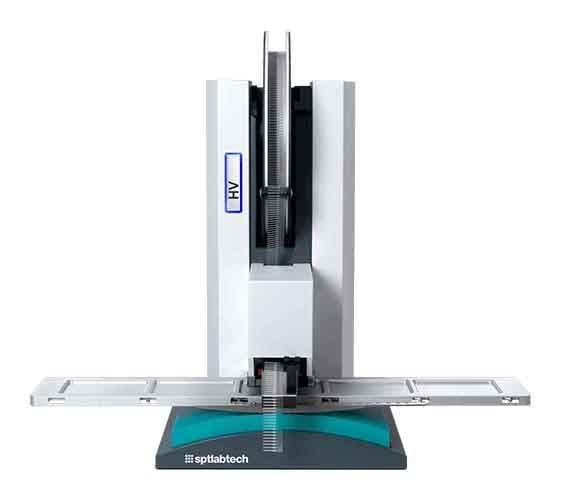
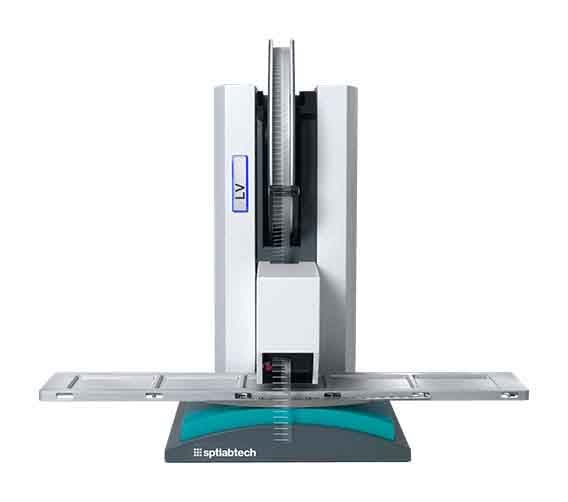
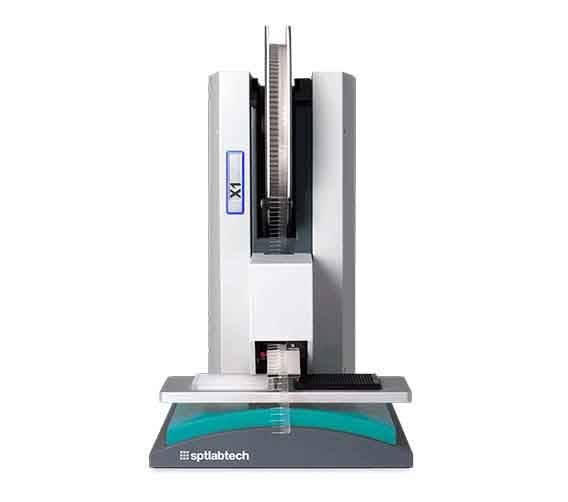
Our innovative mosquito positive displacement pipetting solutions combine the power of miniaturization and automation to reduce costs, improve productivity, and maximize research output.
Explore mosquito
.jpg)
.jpg)
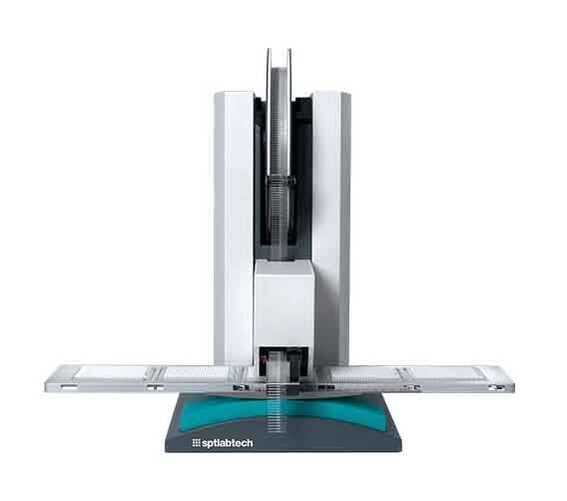
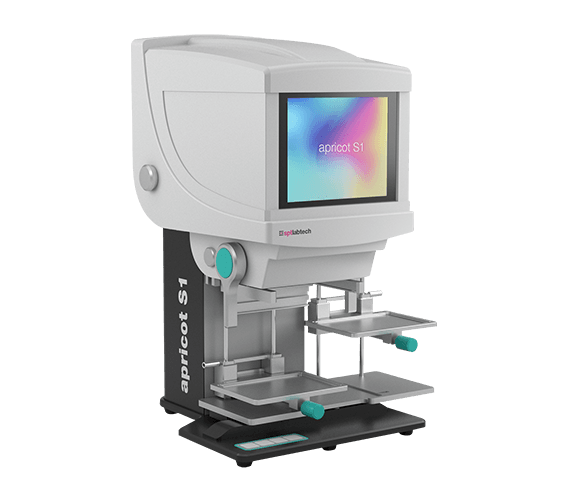
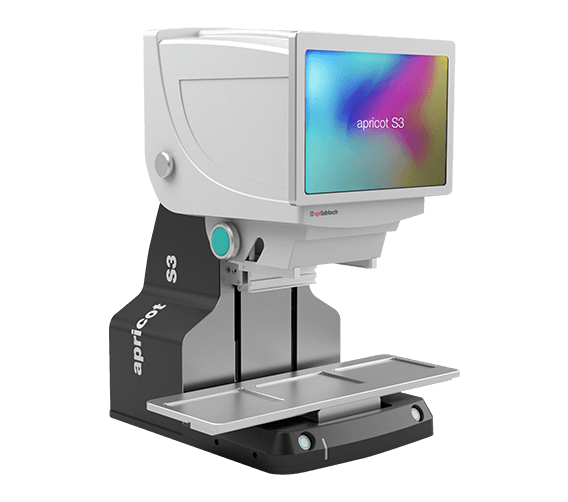
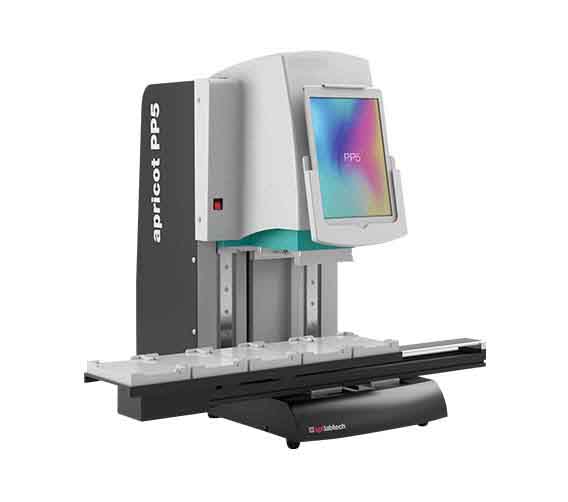
apricot
apricot instrumentation provides accurate, precise and intuitive automated liquid handling technology for convenient general use across your entire team. The small footprint designs allow laboratories to maximize available space without compromising on pipetting performance.
Explore apricot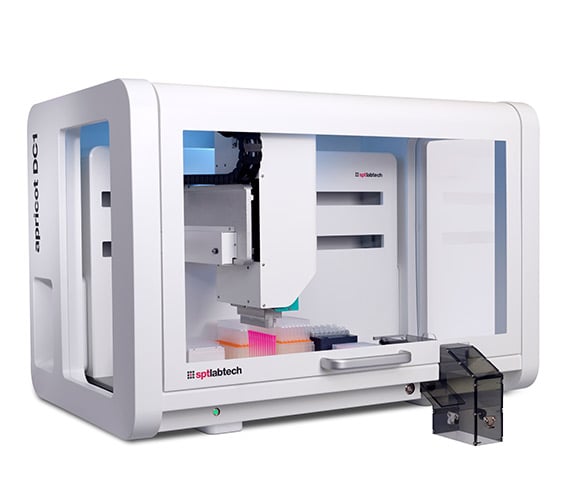
comPOUND
Scalable, reliable and secure compound management at -20°C, +4°C and ambient temperature.
Explore comPOUND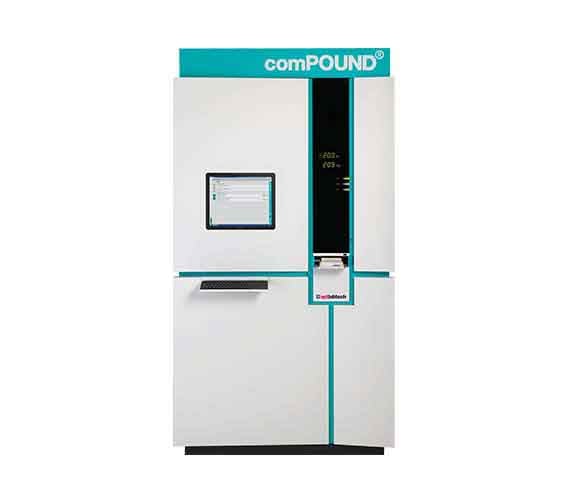
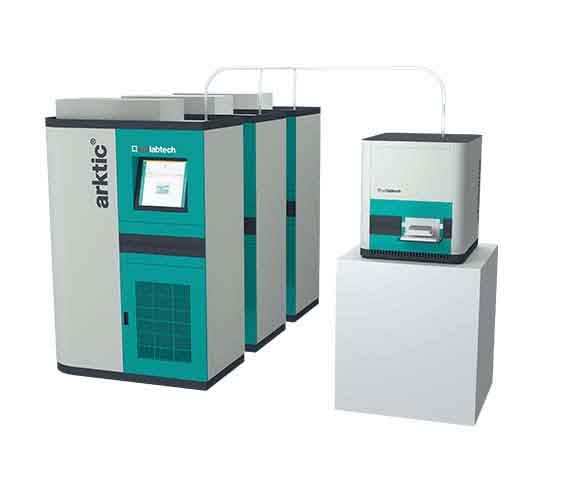
arktic
Robust collection, processing, storage, and tracking of biospecimens to assure the integrity of vital scientific research.
Explore arktic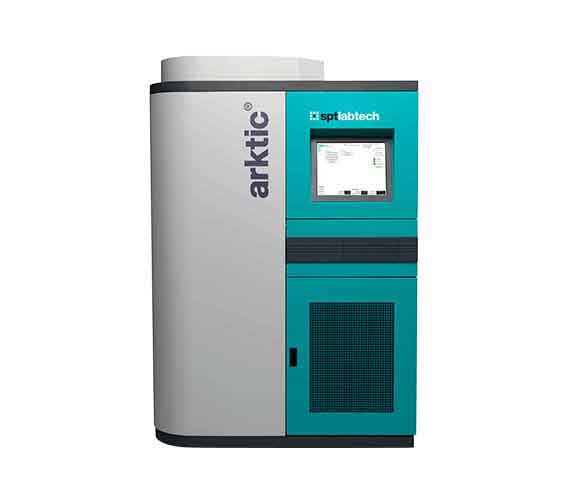
chameleon
chameleon automates the consistent application of samples to high-quality foil grids for cryo-EM analysis, saving time and improving research outcomes across a range of projects.
Explore chameleon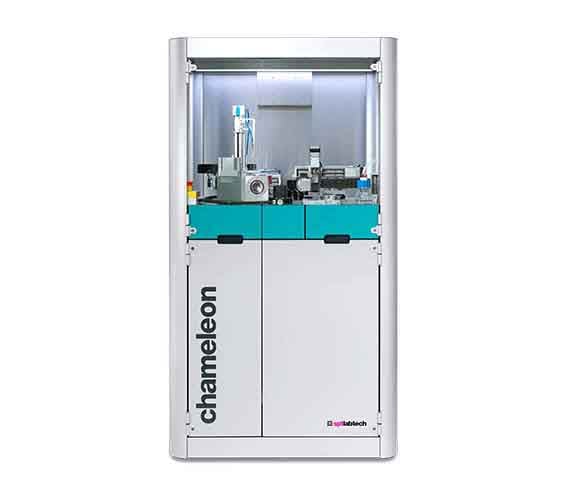
BioMicroLab
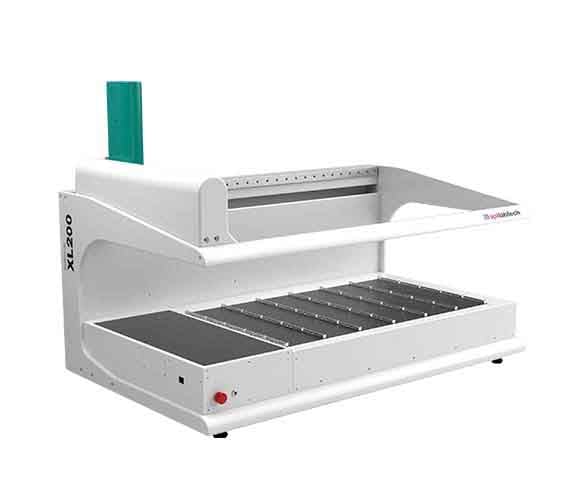
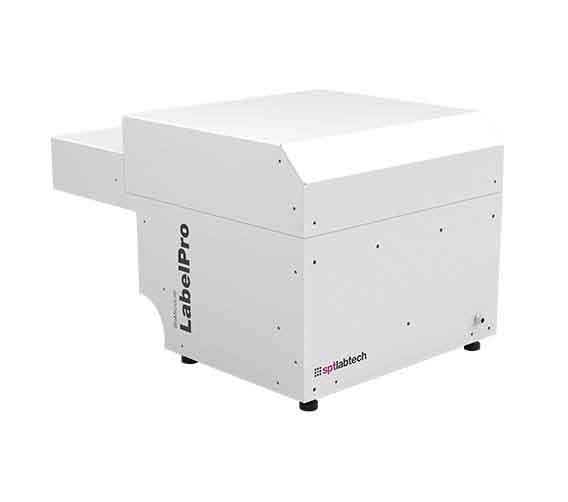
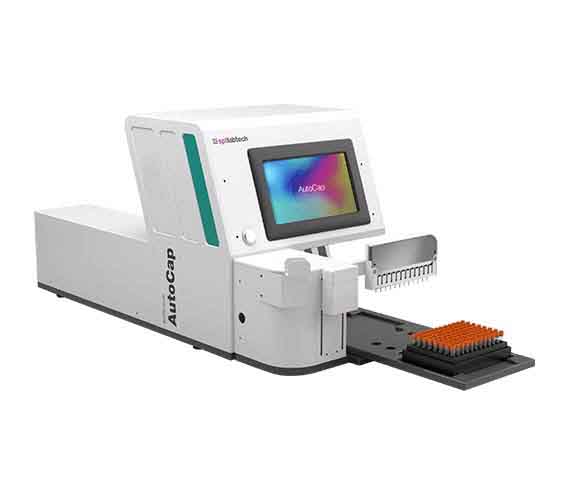
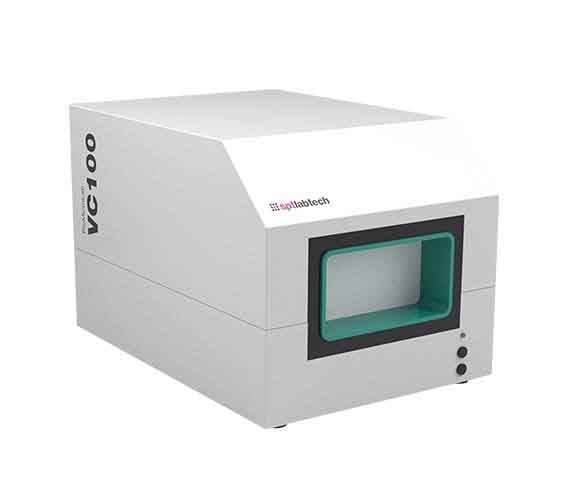
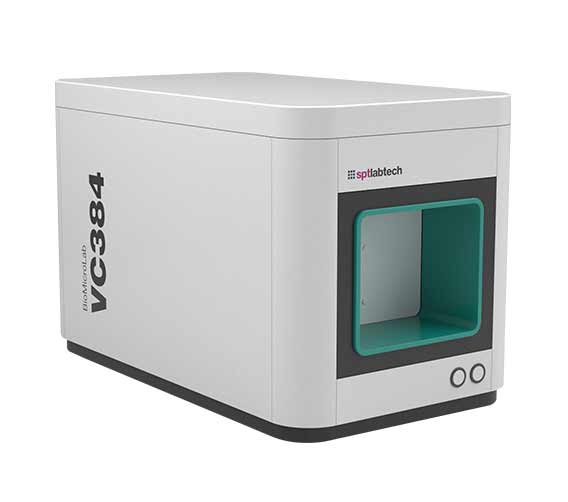
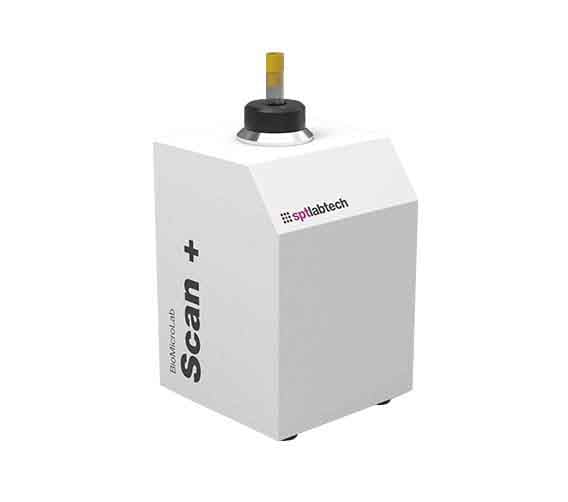
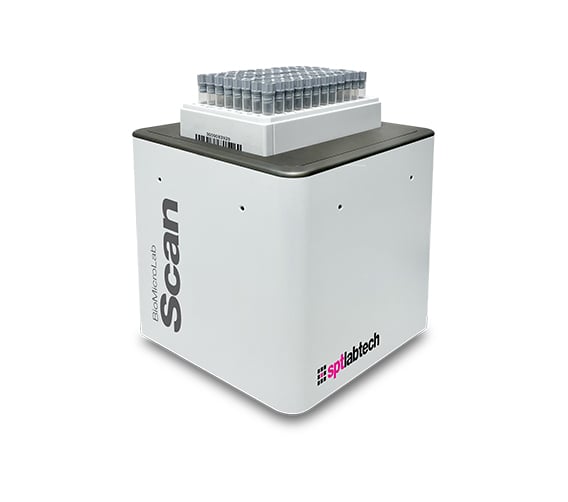
The BioMicroLab range of reliable, versatile and easy-to-use sample management automation instruments provide essential tools to laboratories automating a single task for the first time or accomplishing fully automated sample management workflows.
Explore BioMicroLab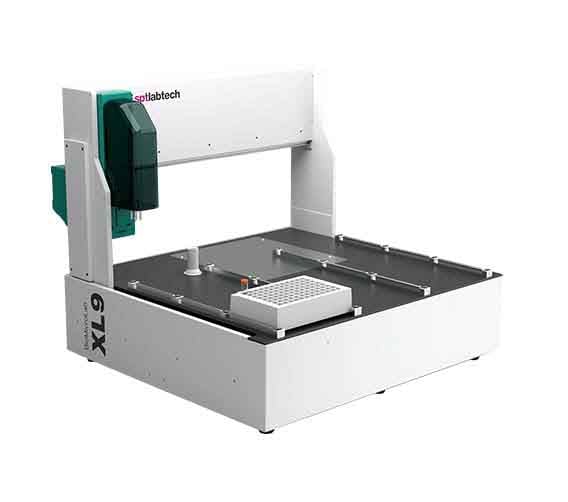
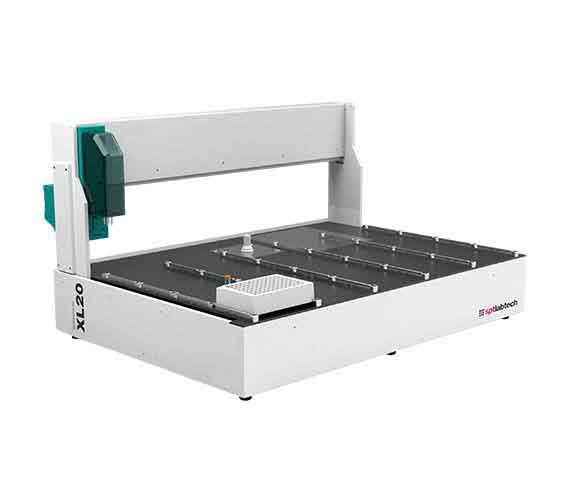
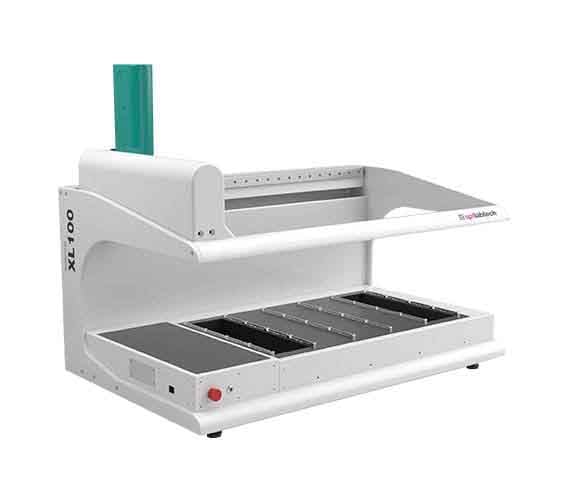
lab2lab
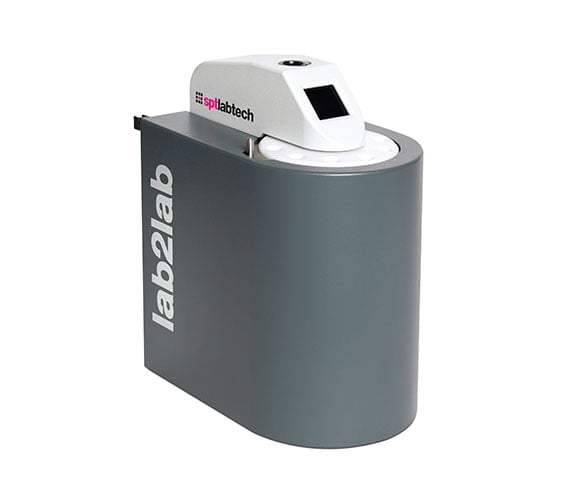
lab2lab is a unique pneumatic transport system for samples in 2D barcoded tubes. This could be anything from sending samples between laboratories, storage systems or directly to online analysers such as a LC/MS or NMR.
Explore lab2lab